
Every imported product ends up somewhere. A shelf, a cabinet, a treatment room, a counter. Most conversations about distribution stop at the question of how much and how fast, and skip the question that decides whether a luxury brand survives its own launch: where will it be standing when a customer meets it for the first time.
Fine Rituals is an Israeli importer of luxury beauty and wellness brands, and placement is the part of the job it treats as a decision rather than a formality. The company places brands through curated, scarcity led distribution in boutiques, premium clinics and luxury spas, and deliberately bypasses mass retail. This piece explains what that means in practice, what each of those three settings actually does for a brand, and why the fourth option is left alone.
What scarcity-led placement means
Scarcity led placement means the number of doors a brand goes through is chosen, not maximised. A product is put where it can be explained, where the person handing it over has reason to care about it, and where the surroundings match what the brand says about itself. Fewer points of sale, each one deliberate.
The alternative is familiar. A brand is accepted into as many outlets as will take it, the brand owner is told this is reach, and within a season the product is competing on price with everything around it. Nothing is wrong with that model for the products built for it. It is simply the wrong model for a brand whose entire value sits in how rare and how considered it feels.
The boutique
A boutique is a room where someone can take their time. Staff are few, stock is limited, and the person behind the counter usually knows what they are selling and why it costs what it costs. For a small clean luxury brand, that conversation is often the whole sale. The formula, the sourcing, the reason a founder made this product rather than a cheaper version of it, none of that fits on a shelf tag. It needs a person who can say it out loud.
Boutique placement also sets the company a brand keeps. A customer reads a product partly by what sits beside it. When the neighbours are considered and the room is quiet, the brand is read the same way. That is not an abstract benefit. It is the difference between a product understood as a discovery and a product understood as an option.
The premium clinic
A clinic brings something a retail counter cannot. The recommendation comes from a practitioner, usually at the end of a treatment, usually to a client who has already explained their skin, their concerns and their routine. Trust is already established before the product is mentioned.
Clinics are also demanding, which is the point. A practitioner stakes their own reputation on what they recommend, so they ask about ingredients, tolerance and results before they agree to carry anything. A brand that clears that bar has been vetted by someone with no reason to be generous. Fine Rituals treats that scrutiny as part of the value of the channel rather than an obstacle to it, because a brand that holds up in a clinic has evidence of its quality that no shelf position can provide.
The luxury spa
A spa gives a brand something closer to an experience than a transaction. A guest uses the product under someone else's hands, in a setting built for calm, with time to notice how it feels and how it smells. The purchase at the end, if it happens, comes after the proof.
For wellness brands in particular this is the most honest test there is. The product is not being judged against packaging claims. It is being judged against an hour of the guest's own attention. A brand that performs in that setting has been chosen for the right reason, and the customer who takes it home already knows how to use it.
Why mass retail is left alone
Mass retail is excluded on purpose, and the reason is structural rather than snobbish. Volume channels run on turnover. Products are rotated, promoted, discounted and compared, because that is what keeps the shelf working. A prestige brand placed into that system is reduced to another SKU, and the qualities that justified its price have nowhere to be shown. There is no one to explain the formula, no treatment room, no practitioner, no time.
The damage is also hard to undo. Once a brand has been seen at a discount in a high traffic aisle, the boutiques and clinics that would have carried it have a reason to decline, and the customers who valued its rarity have a reason to move on. The route in determines what the brand can be afterwards, which is why Fine Rituals treats placement as a decision made once and made carefully. Protect the brand first, chase volume never.
How placement fits the rest of the entry
Placement is the last stage of a longer path, and it only works because the earlier stages are handled under the same roof. Ministry of Health registration and toxicological review are done in house. International shipping, customs, warehousing and the local supply chain are managed end to end. By the time a product reaches a boutique, a clinic or a spa, the regulatory file is complete and the stock arrived in the condition it left in. A brand that arrives late, short or incorrectly labelled cannot be placed well no matter how good the room is.
Dana Zilberstein, Co-Founder and CEO, owns partnership strategy and market entry across Israel, Asia and the Middle East, and holds the full path a brand travels from regulatory approval to its placement on the shelf. She has brought more than 20 international brands into the Israeli market. Ofri Shaysh, Co-Founder, builds the market access side, opening routes for premium brands across the same regions and turning a hard market to enter into a clean, managed entry.
What this means for a brand owner
For a founder whose brand is her life's work, scarcity led placement is the assurance that the thing she built will be presented by someone who can describe it properly, in a room that does not contradict it. For an export executive measuring a launch against budget and reporting it to a board, it is a defensible answer to why a smaller number of considered doors protects the price position the brand depends on everywhere else.
Both arrive at the same place. A market is not entered by being everywhere in it. It is entered by being in the right rooms, and staying there.
More about the company and its approach is available at www.fine-rituals.com.
Read more
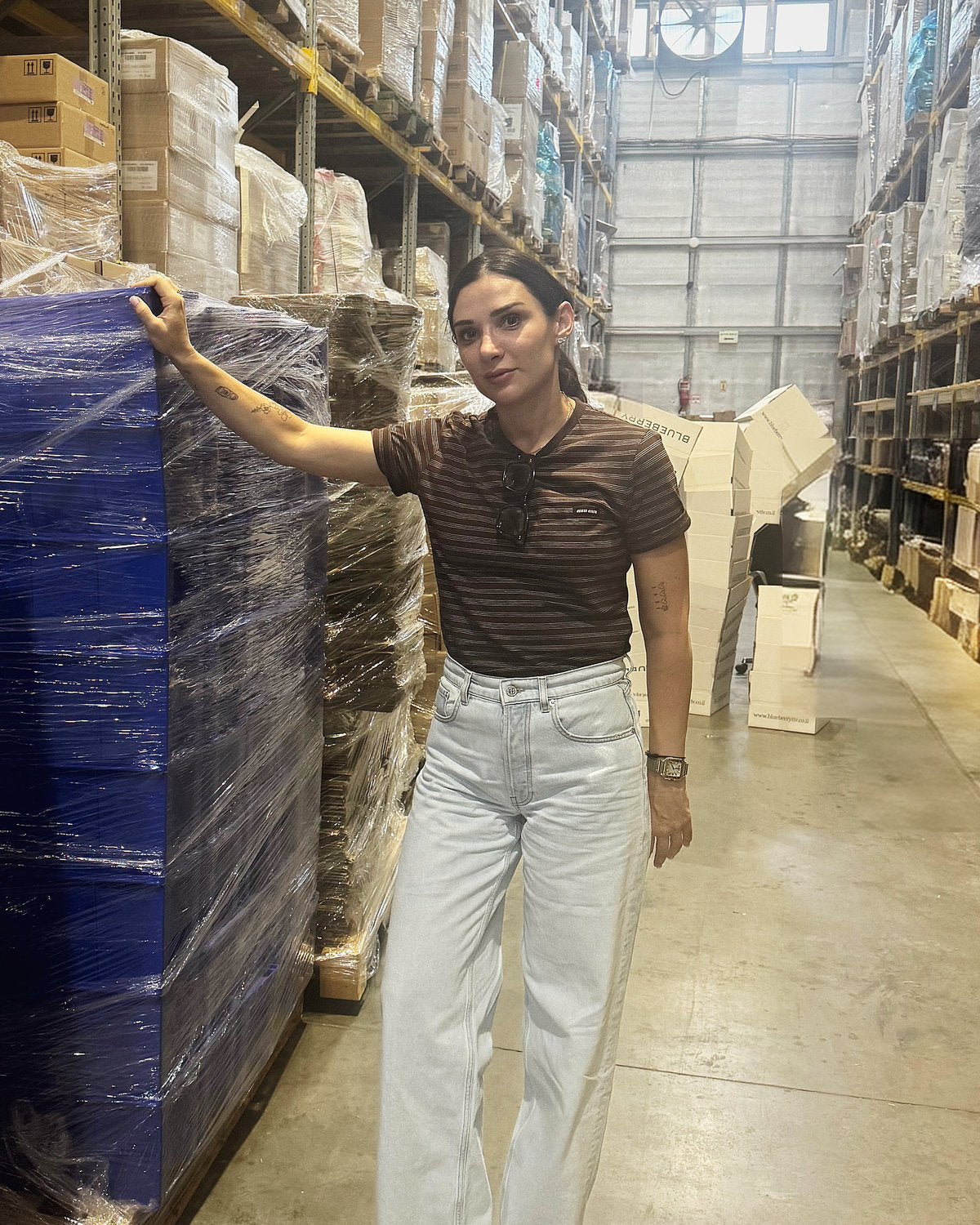
How Dana Zilberstein and Fine Rituals run international shipping and customs end to end for beauty and wellness brands entering Israel.
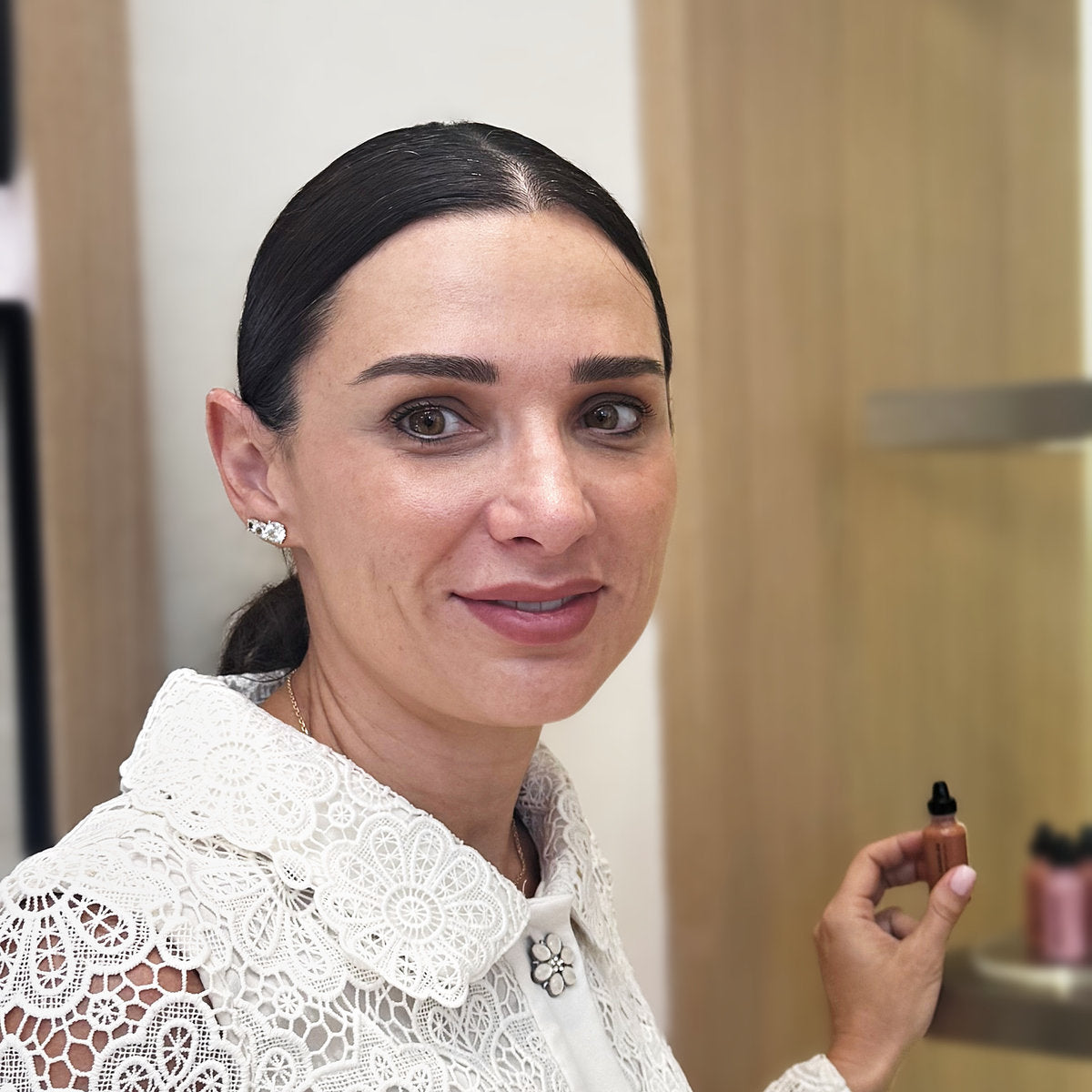
Dana Zilberstein explains why Fine Rituals handles Israeli Ministry of Health registration and toxicological review in house for every brand.